
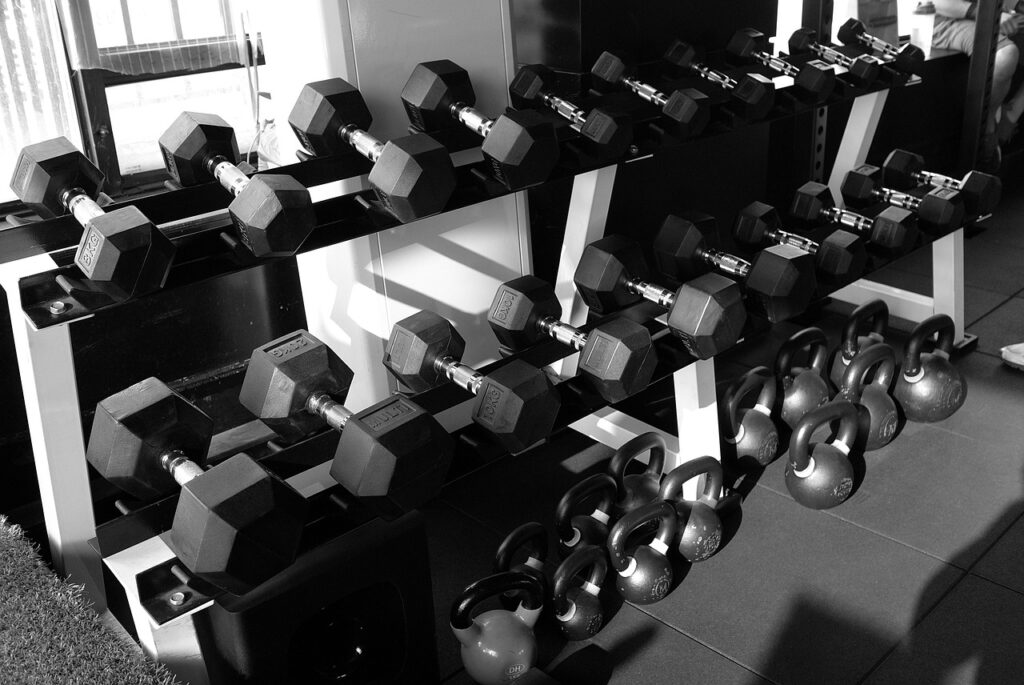
Finding a workout routine can feel overwhelming. With so many options online and conflicting advice, it is easy to get stuck not knowing where to start. The truth is, an effective workout routine does not have to be complicated or time consuming. The most important thing is finding a plan that fits your lifestyle, goals, and current fitness level. Consistency matters more than intensity, and building a routine you can stick with is the key to long term results.
A good workout routine should balance different types of exercise. Strength training, cardiovascular activity, and flexibility work all play important roles in overall health. Strength training helps preserve and build muscle, supports bone health, and improves metabolism. Cardiovascular exercise strengthens the heart and lungs while boosting energy and mood. Flexibility and mobility work improve range of motion, prevent injuries, and make everyday movement easier. When combined in a routine, these elements create a well rounded approach to fitness that addresses both performance and health.
Another essential aspect of a successful workout routine is variety. Changing up exercises, intensity, or duration prevents boredom and encourages steady progress. It also reduces the risk of plateaus and overuse injuries. A well structured routine can include a mix of compound movements, isolation exercises, bodyweight workouts, and low impact options depending on your preferences and goals.
A practical example of a weekly routine might include three days of strength training, two days of cardio, and one day focused on flexibility or mobility work. Strength sessions could include exercises like squats, push ups, lunges, dumbbell presses, and rows. Cardio can range from brisk walking and jogging to cycling or swimming. Flexibility work might include yoga or stretching routines. Each session does not need to be long. Even 20 to 40 minutes can be highly effective when done consistently.
For beginners, a full body strength routine two to three times per week combined with moderate cardio is a simple starting point. More advanced routines might split muscle groups across different days or include high intensity interval training. Regardless of level, the most important factor is sticking to the routine and making gradual improvements in weight, reps, or duration over time.
A key part of any workout routine is recovery. Muscles need time to repair and grow stronger after workouts, and rest days prevent burnout. Adequate sleep, hydration, and nutrition support recovery and help you get the most out of your efforts. Including active recovery like walking, stretching, or gentle yoga can also keep your body moving without overloading it.
Finally, a sustainable workout routine is one that you enjoy. Finding exercises and activities you like increases the likelihood that you will keep going. Whether it is lifting weights, dancing, swimming, or hiking, consistency comes from enjoyment as much as structure. Tracking progress, celebrating milestones, and adjusting routines when needed also help maintain motivation.
Workouts should enhance your life, not become a source of stress. A well designed routine can improve energy, strength, mood, and overall health. By focusing on balance, variety, recovery, and enjoyment, you can create a fitness plan that fits your schedule, meets your goals, and becomes a sustainable part of your lifestyle. Over time, the small consistent efforts add up to noticeable improvements and long term wellness.