
Low calorie meals are often misunderstood. Many people assume they have to be small, bland, or leave you feeling hungry an hour later. In reality, a well planned low calorie meal can be filling, balanced, and enjoyable. The key is choosing foods that provide volume and nutrients without excess calories. When you focus on quality ingredients and smart portions, you can create meals that support weight management while still giving your body what it needs.
Low calorie eating does not mean extreme restriction. It means being intentional with ingredients that offer more nutrition for fewer calories. Vegetables, lean proteins, fruits, legumes, and whole grains can all be part of this approach. These foods are rich in fiber and protein, which help you stay full longer. When meals are built around these staples, you are less likely to feel deprived or tempted to overeat later.
Another important factor is satisfaction. Flavor matters. Seasonings, herbs, garlic, citrus, and healthy cooking methods such as grilling or roasting can transform simple ingredients into meals you actually look forward to. Low calorie meals should feel sustainable. When you enjoy what you are eating, it becomes much easier to stay consistent over time.
A practical way to build a low calorie meal is to start with vegetables. Fill half your plate with options like broccoli, zucchini, spinach, peppers, or mixed greens. These foods are high in volume and fiber while remaining relatively low in calories. Next, add a lean protein such as grilled chicken breast, turkey, white fish, tofu, or beans. Protein helps preserve muscle and keeps hunger in check.
For carbohydrates, choose moderate portions of whole grains or starchy vegetables. Quinoa, brown rice, sweet potatoes, or lentils can provide steady energy without overwhelming the calorie count. A drizzle of olive oil or a small handful of nuts can add healthy fats and improve flavor without going overboard.
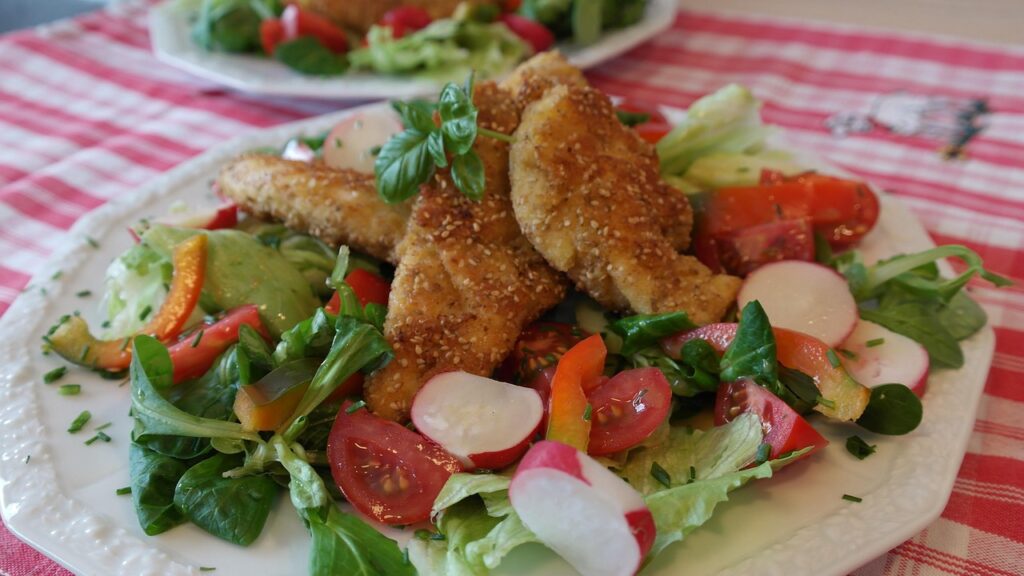
Examples of low calorie meals include a large salad with grilled chicken and a light vinaigrette, baked salmon with roasted asparagus and a small serving of rice, or a vegetable stir fry with tofu served over cauliflower rice. Even a hearty vegetable soup with beans can be satisfying while staying lower in calories.
Low calorie meals work best when they are part of a balanced lifestyle. The goal is not to cut calories as low as possible. It is to create meals that allow you to feel satisfied while maintaining a calorie level that aligns with your goals. Extreme restriction often leads to burnout and overeating. A steady and moderate approach is more realistic and easier to maintain.
Listening to your hunger cues is also important. If a meal leaves you genuinely hungry, it may need more protein or fiber. Small adjustments can make a big difference. Drinking enough water, eating slowly, and including a variety of foods can also improve satisfaction.
Low calorie eating should never feel like punishment. It should feel like a structured and supportive way to fuel your body. By focusing on vegetables, lean proteins, smart portions of carbohydrates, and flavorful preparation, you can build meals that are both nourishing and lower in calories. Over time, these consistent choices can support weight management, improve energy, and promote long term health without feeling extreme or restrictive.