
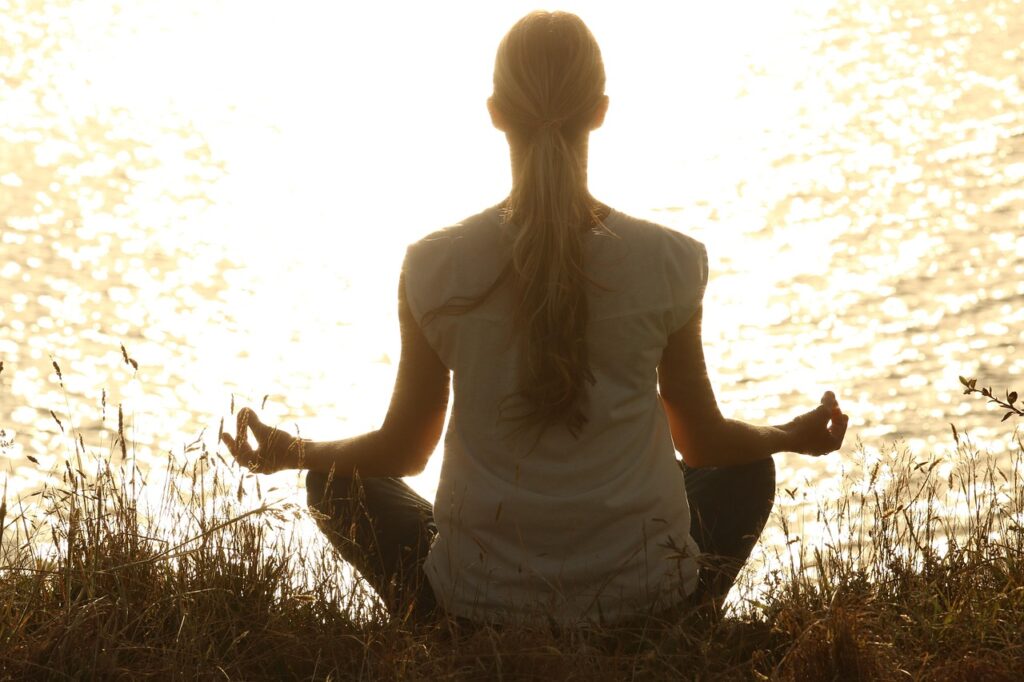
Meditation is a practice that has been used for thousands of years to promote mental clarity, emotional balance, and overall well-being. At its core, meditation is about focusing attention and quieting the mind. Many people assume meditation requires sitting for long hours in silence or following strict rituals, but in reality, it can be simple, flexible, and adapted to fit anyone’s lifestyle. Even a few minutes of intentional practice each day can have profound benefits. Meditation helps reduce stress, improve focus, and increase self-awareness. It allows you to step away from the constant stream of thoughts and reconnect with the present moment.
The popularity of meditation has grown in recent years because of its accessibility and effectiveness. Scientific studies have shown that regular meditation can lower stress hormone levels, improve sleep quality, reduce anxiety, and enhance overall emotional resilience. It also has physical benefits, including lower blood pressure, reduced inflammation, and a stronger immune response. Because of these effects, meditation is not just a mental exercise but a holistic tool for improving health and quality of life.
Meditation can take many forms, making it easy to find an approach that works for you. Some people focus on breath awareness, counting breaths in and out to anchor their attention. Others use guided meditation, listening to a teacher or app that leads them through visualization or relaxation exercises. Mindfulness meditation encourages observing thoughts and sensations without judgment, helping people develop greater clarity and emotional control. Even short sessions of two to five minutes can help calm the mind and improve focus.
In practice, a simple meditation routine could begin with sitting comfortably, closing your eyes, and focusing on your breath. As thoughts arise, gently bring attention back to breathing. Another example is a body scan, where you notice sensations in different parts of the body from head to toe. Walking meditation is another option, where you focus on the sensations of movement and your surroundings while slowly walking. These approaches allow you to integrate meditation into daily life, whether in the morning, during a lunch break, or before bed.
Consistency is key to experiencing the benefits of meditation. Setting aside a regular time each day helps establish it as a habit. It is also important to approach meditation with patience and without judgment. The goal is not to “empty the mind” completely but to create awareness, presence, and calm. Over time, regular practice builds resilience to stress, greater focus, and improved emotional balance.
Meditation also enhances self-awareness and mindfulness. By observing thoughts without attachment, you begin to understand patterns of thinking and emotional reactions. This insight allows you to respond to challenges more calmly and thoughtfully. Daily meditation can increase patience, empathy, and overall emotional intelligence. Even brief sessions repeated consistently can produce meaningful changes in mood, focus, and well-being.
Meditation is a versatile and accessible practice that supports mental, emotional, and physical health. It does not require elaborate rituals or long sessions. Simple, consistent practice can reduce stress, improve focus, and cultivate a sense of calm. Incorporating meditation into your routine is a practical way to prioritize self-care, develop mindfulness, and strengthen resilience in everyday life.
By experimenting with different techniques such as breath awareness, guided meditation, body scans, or walking meditation, anyone can find a style that fits their lifestyle. Even short daily sessions produce measurable benefits over time. Meditation is a skill that grows with practice, rewarding those who approach it consistently with clarity, calm, and patience.
Meditation is more than a relaxation technique. It is a tool for living with greater awareness, managing stress, and enhancing overall well-being. By dedicating a few minutes each day to meditation, you invest in both your mental and physical health, creating a foundation for long-term balance and resilience.