
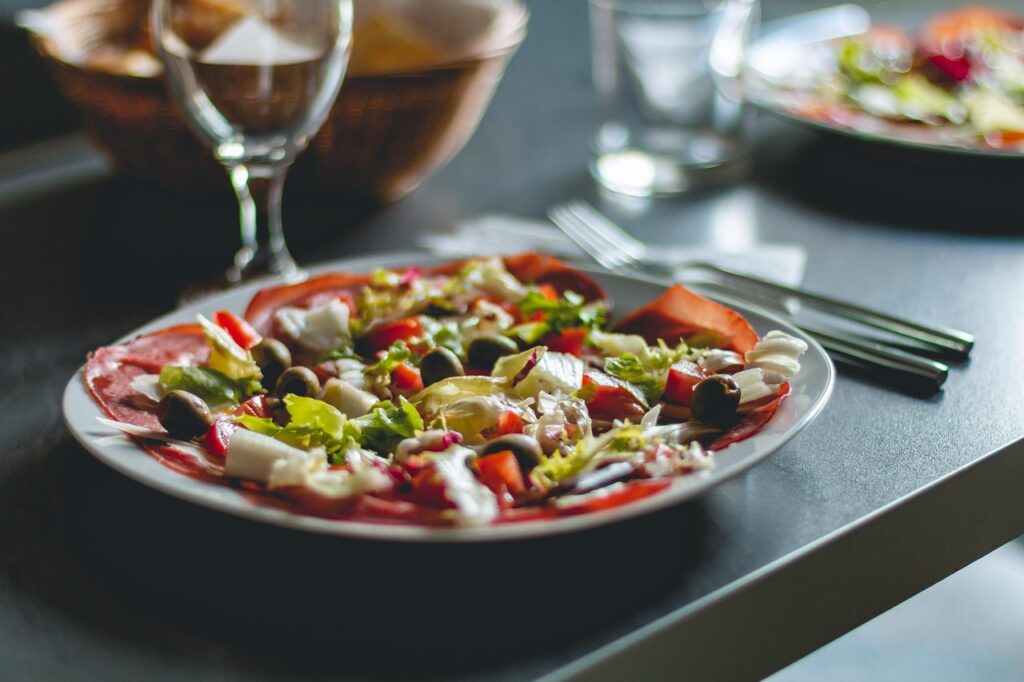
Eating healthy does not have to be complicated. It does not require expensive ingredients, strict rules, or hours in the kitchen. At its core, a healthy meal is simply one that gives your body the nutrients it needs to function well. When you focus on balance instead of perfection, healthy eating becomes much more realistic and sustainable.
Many people think healthy meals mean bland salads or cutting out all their favorite foods. In reality, it is about adding more of what your body needs rather than obsessing over what to remove. Whole foods such as vegetables, fruits, lean proteins, whole grains, and healthy fats create the foundation for steady energy and better overall health. When meals include a mix of these components, you are more likely to feel satisfied and less likely to overeat later.
Another important part of healthy eating is convenience. If meals are too complicated, they are hard to maintain. Simple combinations like grilled chicken with roasted vegetables, oatmeal with fruit and nuts, or rice with beans and avocado can be prepared quickly and adjusted to your taste. The goal is not to eat perfectly every day. The goal is to build meals that support your body, fit your schedule, and leave you feeling good long after you finish eating.
A helpful way to think about healthy meals is to build them around balance. Start with a source of protein such as eggs, chicken, tofu, Greek yogurt, or beans. Protein helps you stay full and supports muscle health. Then add fiber rich carbohydrates like brown rice, quinoa, potatoes, or whole grain bread. These provide lasting energy instead of quick spikes and crashes. Finish with healthy fats such as olive oil, nuts, seeds, or avocado to support brain function and overall health.
For breakfast, this could look like scrambled eggs with spinach and whole grain toast. Lunch might be a bowl with grilled salmon, rice, and mixed vegetables. Dinner could be lean ground turkey with sweet potatoes and a side salad. Even a simple snack such as apple slices with peanut butter can be a balanced option.
Healthy meals also depend on preparation. Keeping washed produce in the fridge, cooking grains in batches, and seasoning food well makes it easier to choose nourishing options. Flavor matters. Herbs, spices, garlic, and citrus can turn basic ingredients into satisfying meals you actually enjoy eating.
In the end, healthy meals are less about strict rules and more about consistency. You do not need every plate to look perfect. What matters most is the overall pattern of how you eat throughout the week. When most of your meals include whole foods and balanced portions, there is still room for flexibility. That flexibility makes healthy eating sustainable rather than restrictive.
It is also important to listen to your body. Hunger and fullness cues help guide portion sizes better than rigid meal plans. Some days you may need more food, especially if you are active or under stress. Other days you may need less. Paying attention to how certain foods make you feel can help you adjust your choices over time.
Healthy meals should support your lifestyle, not control it. When you find a handful of simple meals you enjoy and can prepare easily, healthy eating becomes automatic. Over time, these small daily choices build better energy levels, improved mood, and stronger long term health. Start simple, stay consistent, and remember that progress comes from steady habits, not perfection.